Home Education in South Australia
Home Education in South Australia: Breaking down the rules and regulations for our state.
We have talked about how we got started on our homeschool journey, where would be a great place for you to start, the next steps, and what some of the many different home schooling learning styles are available. Now I’m giving you a breakdown of the rules and regulations for home education in South Australia.
When you are researching late at night, second guessing yourself, and trying to understand the rules and regulations around home education in South Australia, it can become overwhelming. As parents, we often place immense pressure on ourselves to get everything right all the time. But the truth is, we are learning and growing too. Parenthood does not come with a manual — it is a journey of constant learning, adapting, and doing the very best we can with the knowledge and experience we have in each moment.
The good news is: homeschooling in South Australia is absolutely achievable, and there is support available to help guide you through the process.
Lets start at the top: What Is Home Education in South Australia?
In South Australia, homeschooling is actually referred to as Home Education. And you don’t need to officially submit that application until your child is 6 years old. Before that age, you can focus on preschool and enjoy the time together. Children aged between 6 and 17 are legally required to have an approved exemption for home education through the South Australian Department for Education. Home education is completely legal in South Australia when families follow the application process and maintain an approved learning program.
The First Step: Applying for Home Education
Before applying, your child must first be enrolled in a South Australian school. All you need to do is enrol your child but inform the school that you will be home educating, they will help with the rest. Many families simply enrol their child while the home education exemption is being processed. You will then apply through the South Australian Home Education Unit.
At first glance, the application can seem daunting. But remember — the department is not expecting perfection. They simply want to see that:
you have considered your child’s educational needs,
you have a plan for learning,
and you are committed to supporting your child’s education.
What Needs To Be Included in Your Application?
Your application may include:
Parent and child details
A copy of your child’s birth certificate
Your educational philosophy or homeschooling approach
A general learning plan
Resources and activities you plan to use
How you will monitor learning and progress
This does not need to look like a strict classroom or a school timetable recreated at home. Homeschooling can look very different from family to family.
Do I Have To Follow The Australian Curriculum?
Most parents take a look at the Australian Curriculum and probably get heart palpitations, it is alot to digest at first glance. Yes, the learning program you create for your child should provide a “suitable education” and generally align with the goals of the Australian Curriculum, but it does not have to be a cut and paste plan from their website.
In South Australia, the learning plan you create needs to show opportunities for learning across the 8 learning areas:
English
Mathematics
Science
Humanities & Social Sciences (HASS)
Health & Physical Education
Technologies
The Arts
Languages
However, this does not mean you need to be sitting at a desk for 6 hours a day, following school worksheets all day, or recreating traditional schooling at home. Learning can happen naturally through:
reading together,
cooking,
nature walks,
museums,
sports,
gardening,
STEAM activities,
travel,
community outings,
project-based learning,
and everyday life experiences.
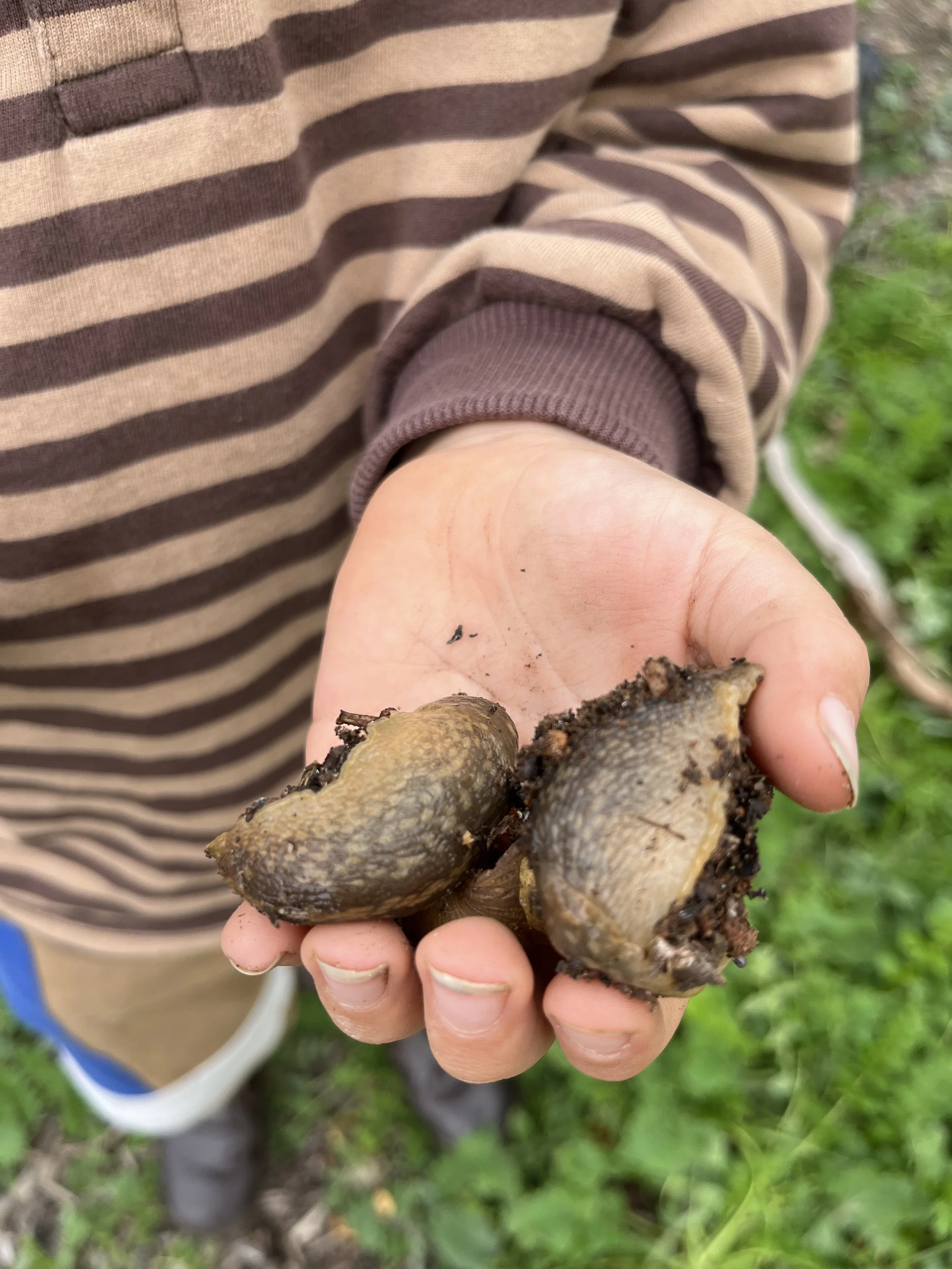
Have a read of our blog post on Bug Finding and how it links to learning
Do Parents Need Teaching Qualifications?
No, you do not need to be a qualified teacher to homeschool in South Australia. As a parent, you already know your child better than anyone else. You understand their personality, interests, strengths, challenges, and the way they learn best. They come to you for comfort, guidance, and support, and that connection becomes one of the greatest strengths of home education.
Homeschooling is not about recreating a traditional classroom at home — it is about creating a learning environment that is tailored to your child and their individual needs. The knowledge, care, and dedication you already have as a parent provide a strong foundation for their education.
Choosing home education is a big step, but it is also an incredibly rewarding journey. Watching your child grow in confidence, develop new skills, and succeed in their learning is something truly special. As your child grows and changes, you will continue to learn and adapt alongside them, strengthening your relationship and building a lifelong love of learning together.
Parents from all walks of life successfully homeschool their children every day.
The department simply wants to know that you are capable of supporting your child’s learning and creating opportunities for educational growth.
Different Homeschooling Styles
As we have touched on, one of the beautiful things about homeschooling is that there is no “one size fits all” approach. There are many different styles to homeschool your child, and you can change and adapt them throughout your journey.
Families may choose:
Traditional homeschooling
Eclectic homeschooling
Charlotte Mason
Montessori
Waldorf-inspired learning
Unit studies
Project-based learning
Unschooling
Reggio Emilia
Travel schooling
Many families, including ourselves, use an eclectic approach — blending structured workbook learning with child-led exploration and hands-on experiences. Remember homeschooling allows learning to be personalised to your child’s interests, strengths and pace.
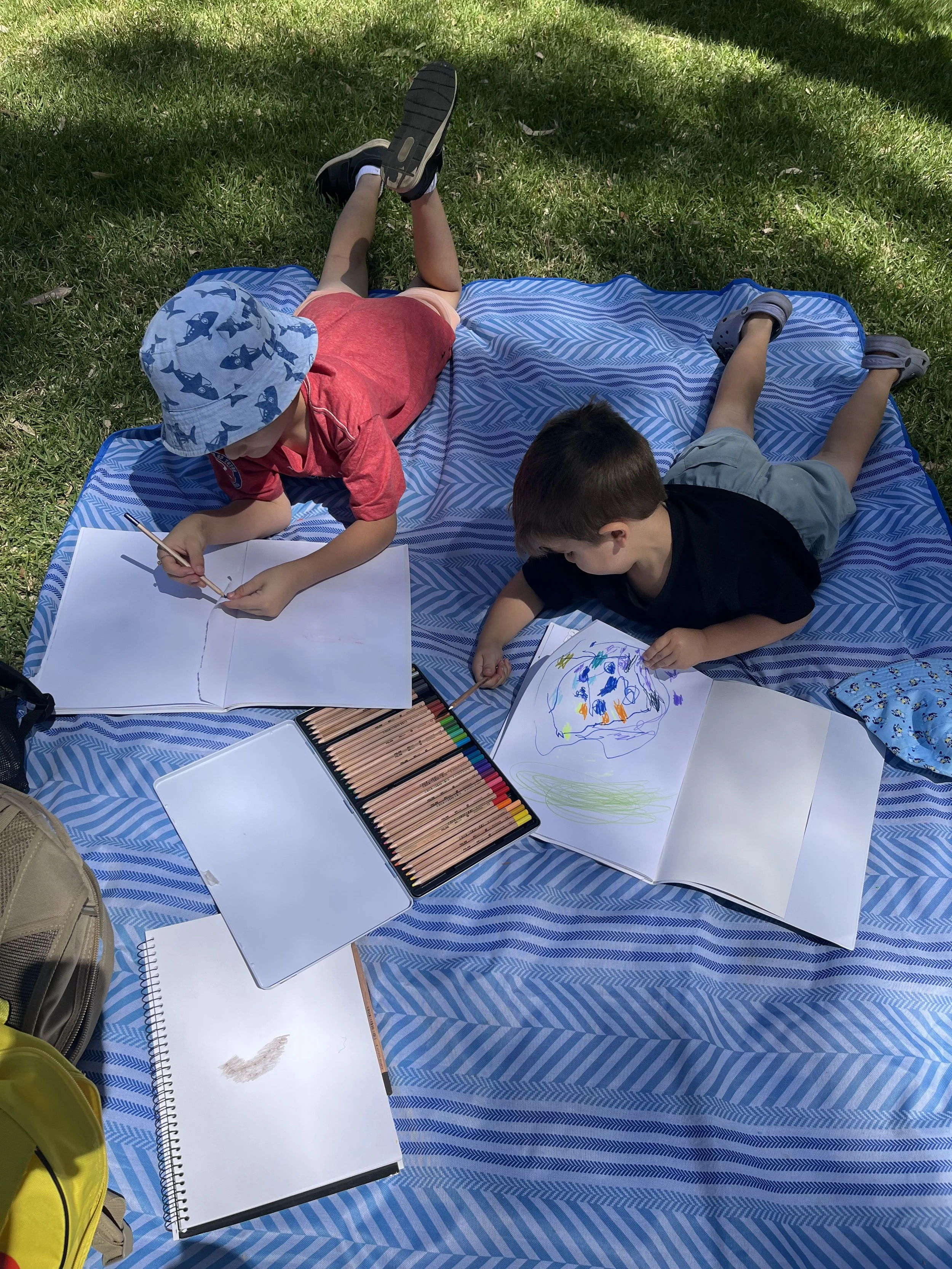
Take a look at the blog post on the different homeschooling styles we published
Reviews and Home Visits
After you have submitted you initial application to home educate, you will receive notice of a home visit or teams meeting with a home education officer. This visit is simply to meet you and your child, see your home set up, where your child’s learning will take place (making sure its set up for you to be able to home educate) and to understand your plan of learning for the next 12 months. You will be notified if you were successful or not via email, letting you know how long your exemption is for and the journey officially begins.
Home education approvals in South Australia are reviewed regularly, often yearly, which means you will see the home education officer close to your 12 month mark. This review usually involves a home visit with your home education officer where they will engage in a conversation with you and especially your child. They want to see your how you have been teaching your child, their learning progress, any examples of learning you child has to share.
This is not designed to “catch you out.” You will be notified via email of the scheduled visit in advance and can reschedule if you need to. The department is generally looking to see that your child has been engaging in learning, that they have made educational progress over the year and evidence that your child is being supported.
You do not need a perfect homeschool room, expensive resources or colour-coded folders.
Simple evidence such as:
photos,
work samples,
journals,
artwork,
reading lists,
excursion notes,
worksheets,
and projects
What About Socialisation?
This is one of the most common questions homeschool families hear. People often perceive homeschoolers as withdrawn and ‘weird’, they stick to themselves and are homebodies. Boy, are they wrong about that! I think my children are very confident and comfortable with speaking in public and making friends. Over the years they have built up their confidence, as any child does over time, and I can guarantee that if they were ‘stuck’ in a classroom all day everyday with the same children they wouldn’t be moving out of their comfort zone to socialise with others.
In reality, many homeschool children are deeply connected within their communities through:
homeschool groups,
sports,
library programs,
community classes,
nature groups,
church groups,
excursions,
volunteering,
music and dance,
and everyday interactions.
Homeschooling often allows children to socialise with a wide variety of ages and people in real-world settings.
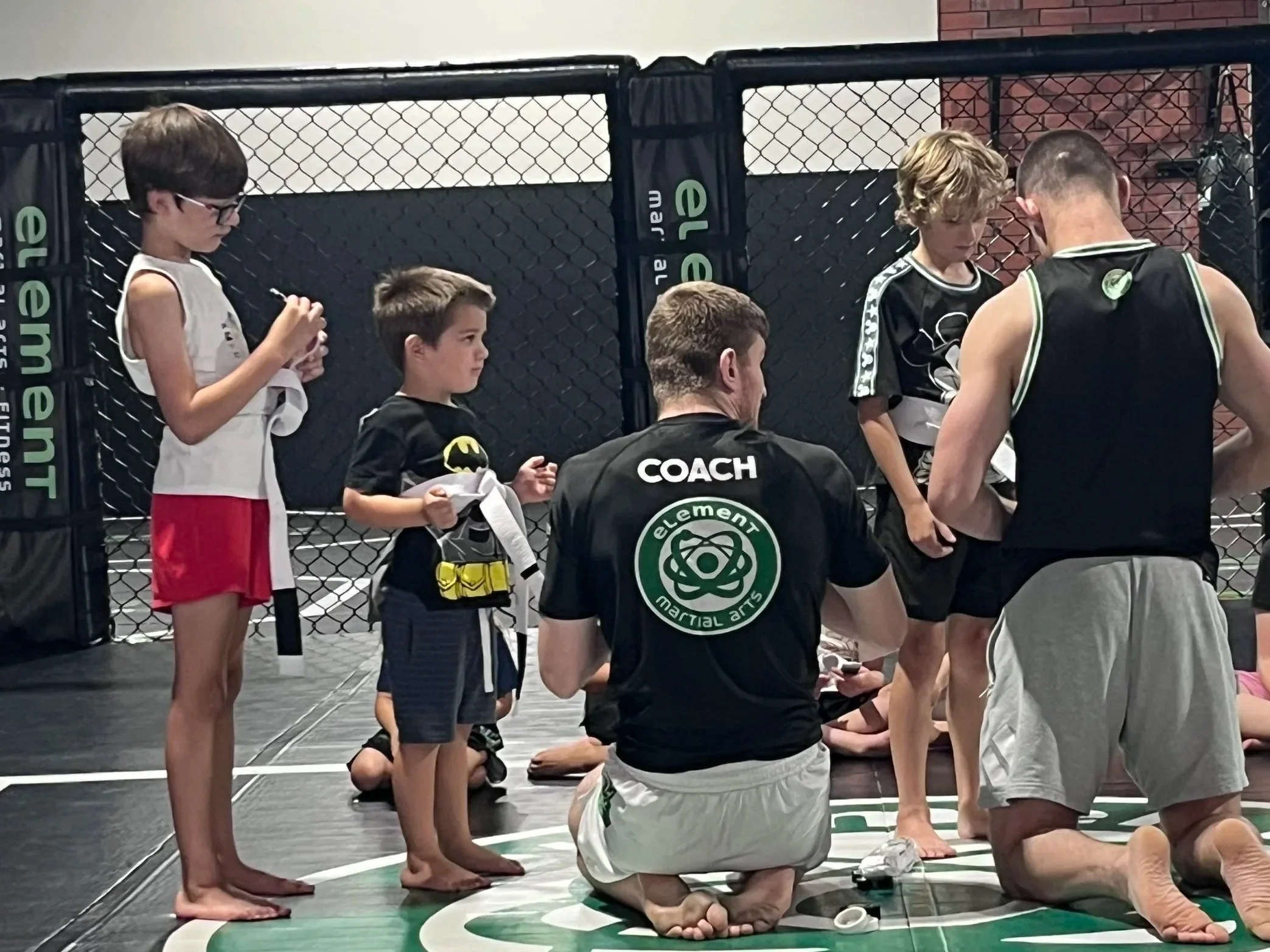
Our weekly MMA class we attend with our homeschool friends involves plenty of socialisation
Homeschooling Does Not Have To Look Like School
This is something many new homeschool parents slowly learn over time. Education at home can be slower, gentler and more connected. Focused learning may take only a small part of the day, while the rest of the day is spent:
exploring,
creating,
asking questions,
building life skills,
and making meaningful memories together.
Children learn best when they feel safe, supported, curious and engaged.
I’ll leave you with this…
Starting homeschool can feel overwhelming in the beginning, especially when navigating applications, regulations and planning. But you do not need to have everything perfectly figured out before you begin. Homeschooling is a journey of learning and growth — not only for your children, but for you as a parent too. Take the first step slowly. Research. Ask questions. Connect with other homeschool families.
And remember: there is no perfect homeschool. There is only the homeschool that works best for your family.
Helpful Resources